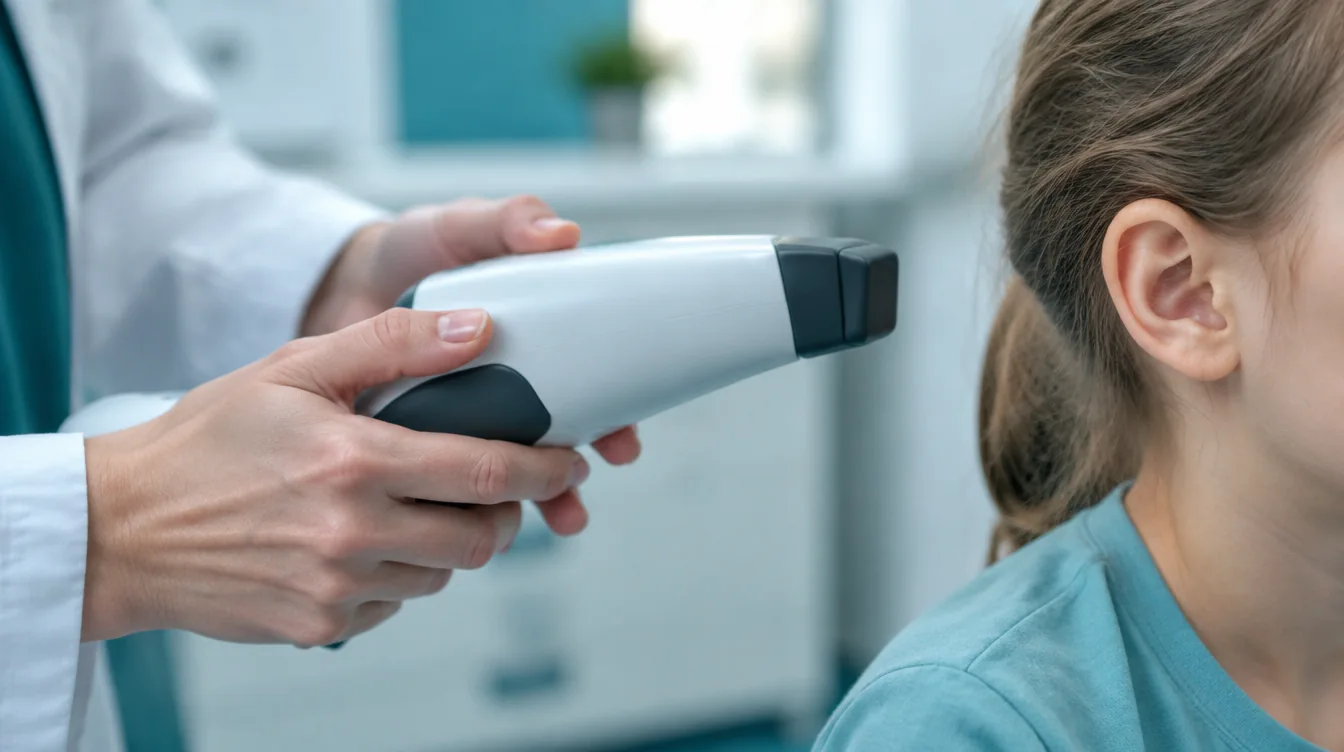
STEP 01
Capture a 3D scan
A quick, contact-free scan records the patient's anatomy for a precise starting model.
Reshape, not reconstruct.
A 30-second scan becomes a series of biocompatible aligners: 3D-printed, custom-fit and worn, and gently corrective.

Each custom guide is made from biocompatible material. Optical clarity lets clinicians track tissue progress through the device without removal.
.png)
Each guide is custom-fit from a 3D print, sometimes in one piece and sometimes in two, to fit a wide range of ages and anatomy sizes. FaceShift primarily acts on cartilage and may also influence bone remodeling.
A quick, contact-free scan records the patient's anatomy for a precise starting model.
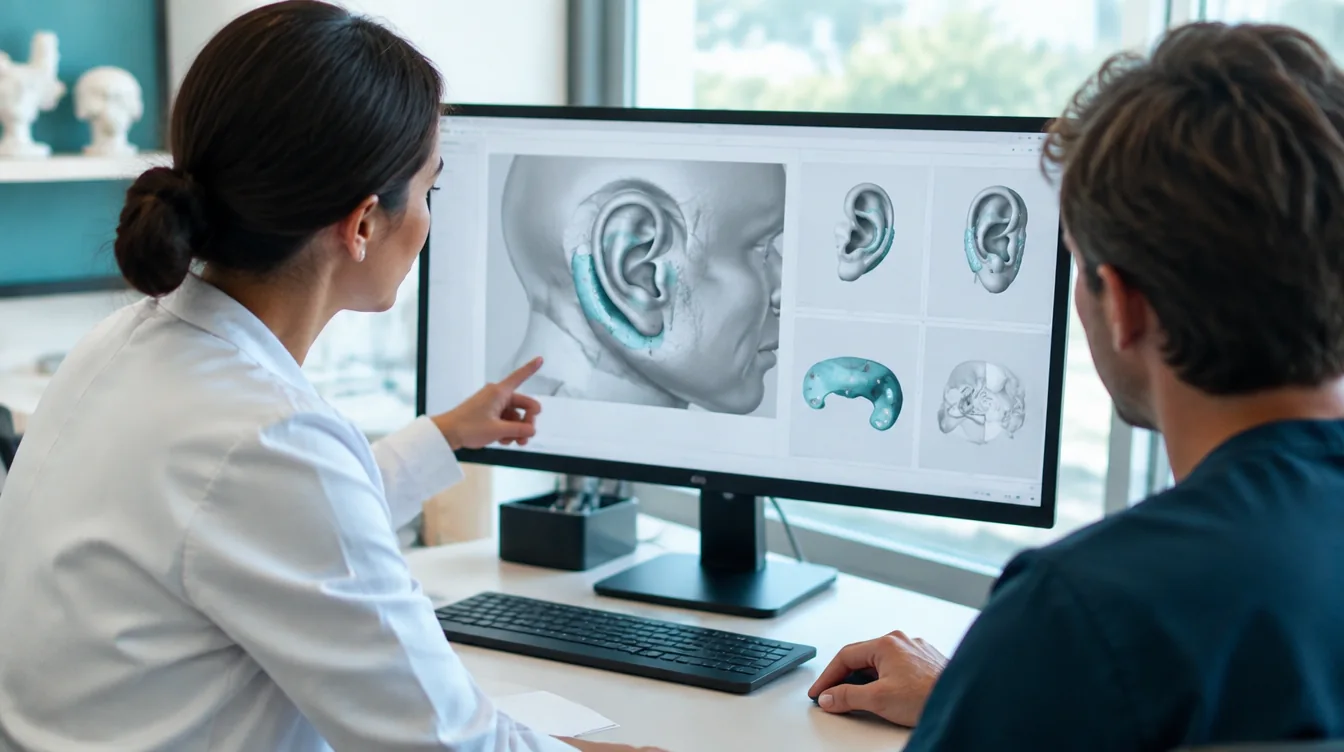
The care team shapes a guide around the patient's anatomy, age, and treatment goals.
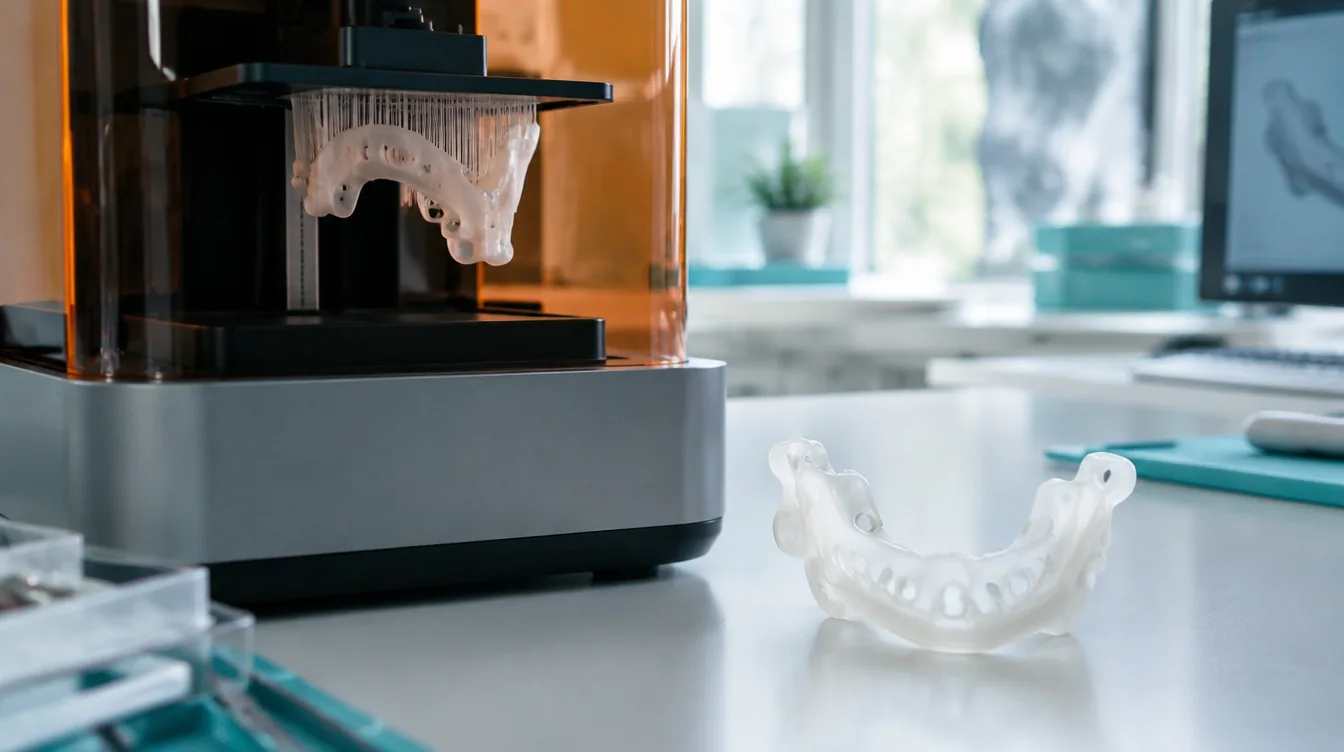
A biocompatible guide is custom-made from the scan, in one piece or two as the fit requires.
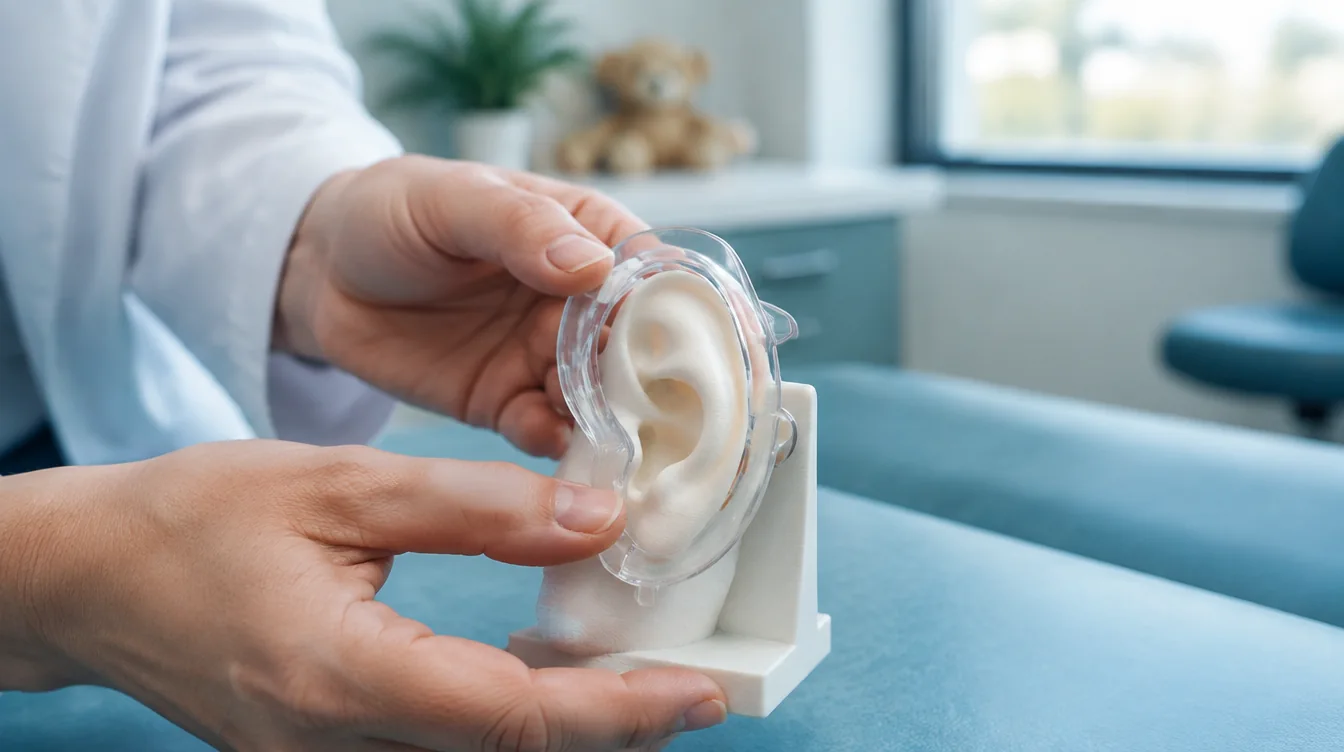
Clinicians check placement and help families follow a comfortable, consistent wear plan.
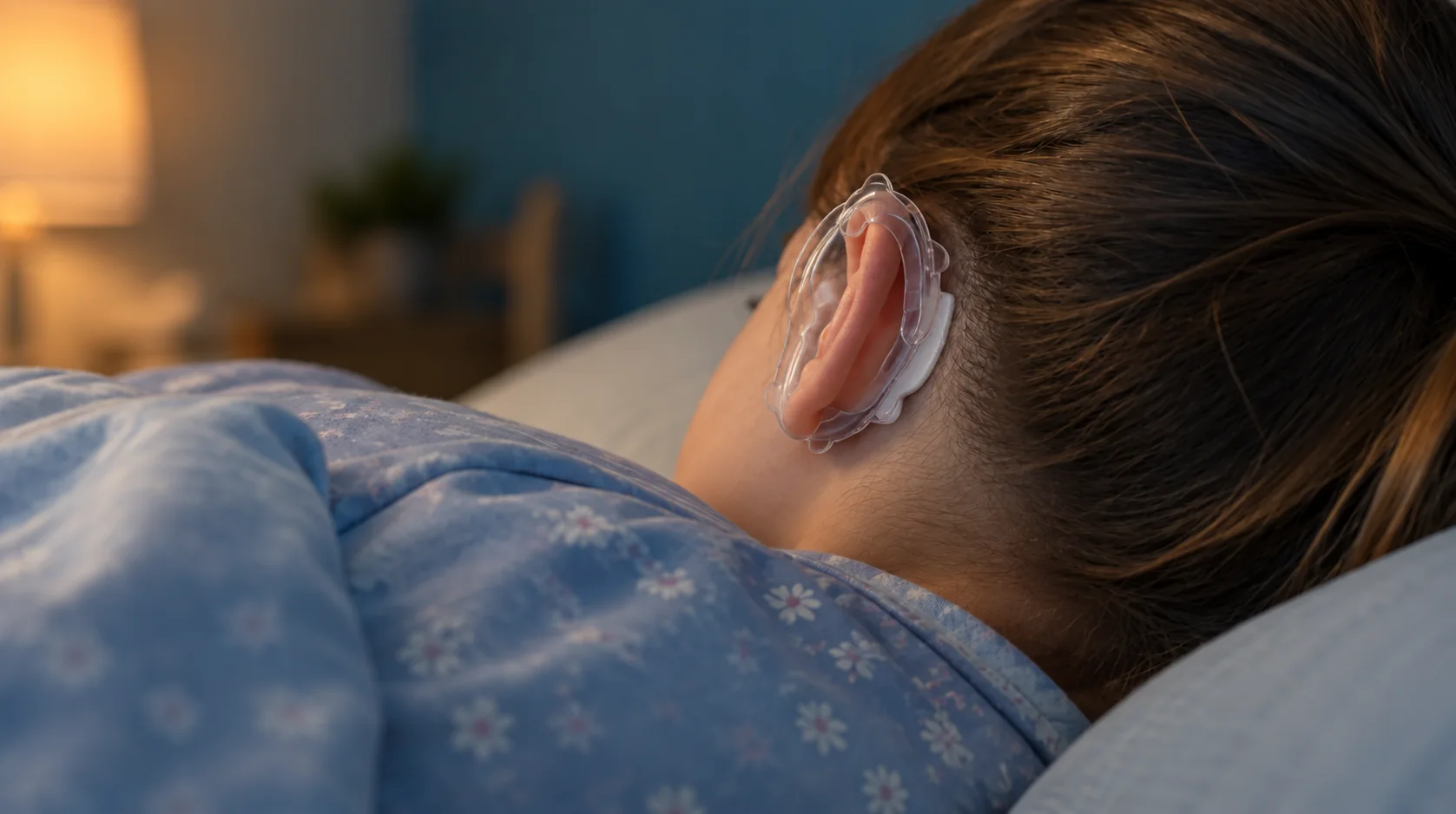
The guide is custom-fit and worn as directed, with a clear design that supports clinical checks.
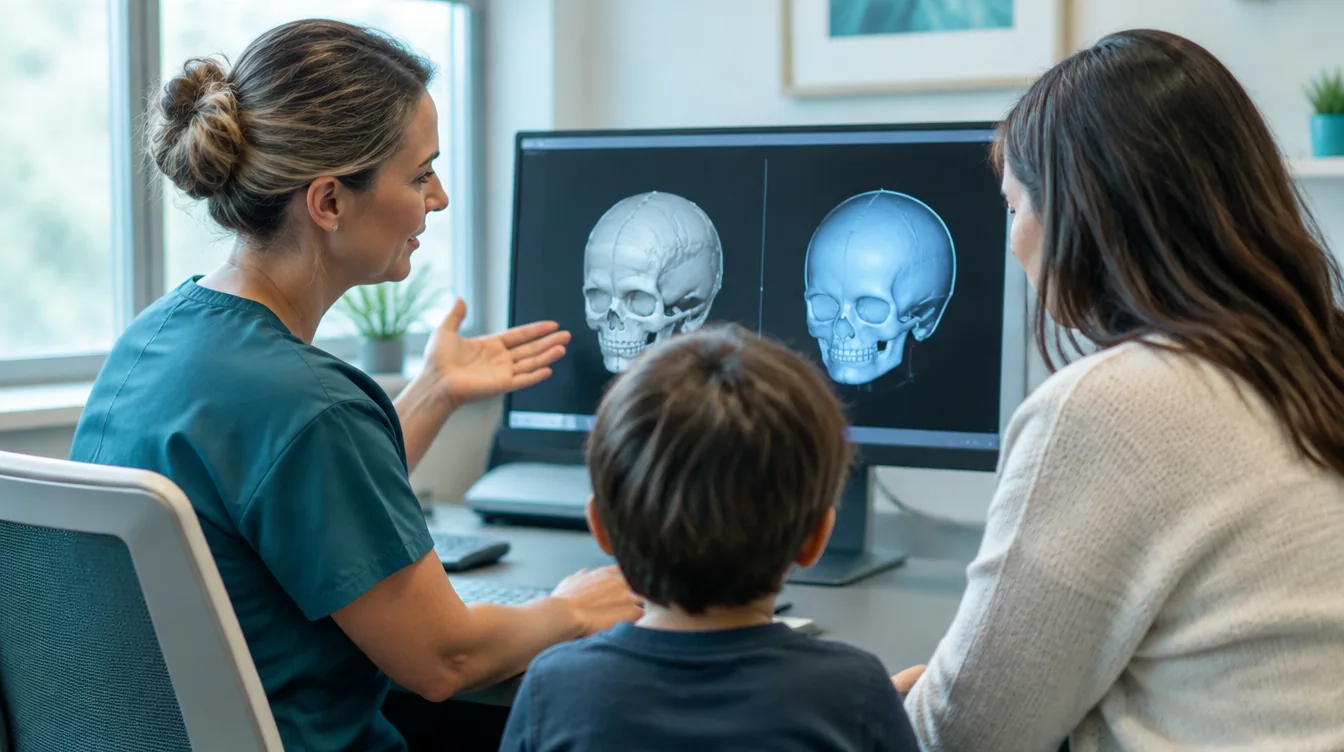
Follow-up tracks progress and informs each next guide as anatomy and treatment needs change.